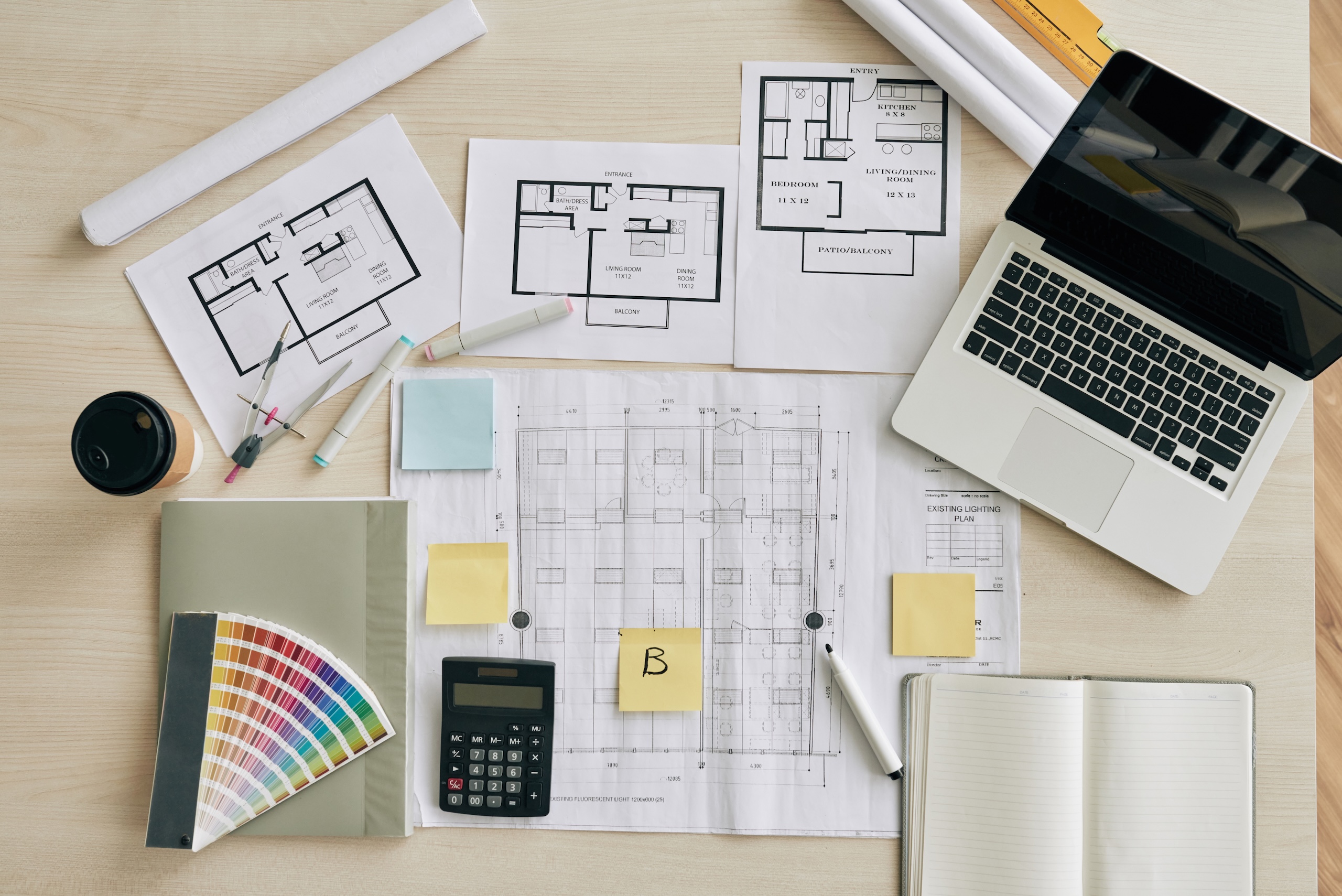

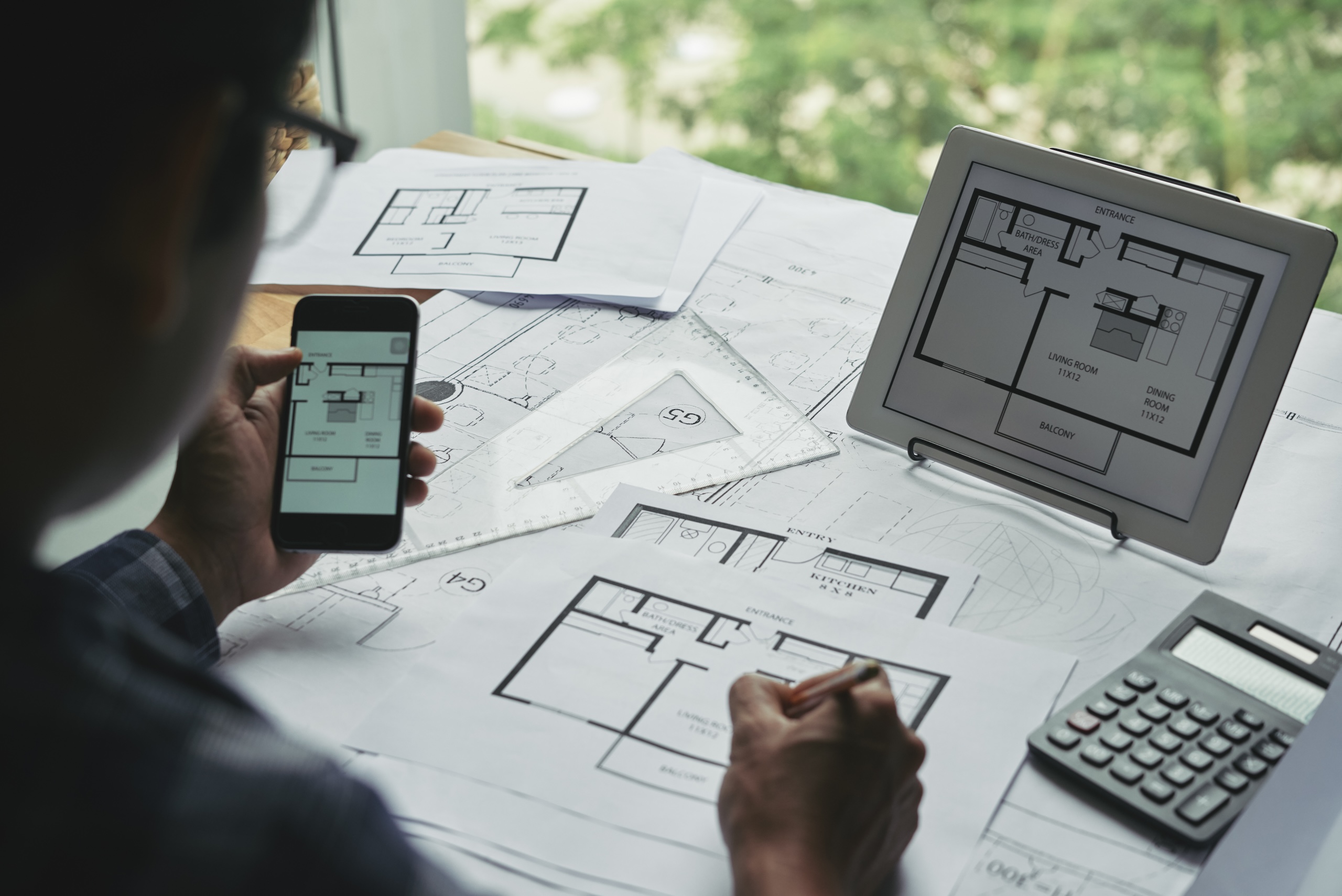
Property layout vs finishes is one of the most misunderstood concepts in property investment. Most investors focus on what looks good — modern kitchens, new tiles, and fresh paint — but these do not determine how a property actually performs.
Before spending money on upgrades, it’s critical to understand how the layout of a space impacts usability, rental income, and long-term value.
Why Layout Drives Property Performance
Layout determines how a space functions on a daily basis. It affects how people move through a property, how rooms are used, and how comfortable the space feels.
A well-planned layout creates natural flow, efficient use of space, and clear separation between living areas. This improves both tenant experience and buyer perception.
In contrast, poor layouts lead to wasted space, awkward room configurations, and limited usability — all of which reduce demand and performance.
The Problem with Focusing on Finishes
Finishes are often the first thing investors upgrade because they are visible and easy to change. However, they do not solve fundamental issues within a property.
A newly renovated kitchen in a poorly designed space will not improve how the property functions. Similarly, upgraded finishes cannot compensate for bad flow, lack of privacy, or inefficient room layouts.
This is why many renovated properties still underperform — the surface has improved, but the structure of the space has not.
How Layout Impacts Rental Income and Value
Property layout has a direct impact on income potential.
A better layout can increase the number of usable rooms, improve tenant comfort, and allow for higher rental pricing. In some cases, simple layout changes can significantly increase yield without increasing the size of the property.
Buyers and tenants may not always articulate it, but they respond strongly to how a space works. A property that feels easy to live in will always outperform one that feels restrictive or confusing.
When Finishes Do Matter
Finishes still play a role, but they should come after layout decisions are made.
Once the space functions properly, finishes can enhance the overall experience and improve perceived value. However, they should support the layout — not attempt to fix it.
The most effective property investments follow a clear sequence: first optimise the layout, then upgrade the finishes.
Conclusion
Understanding property layout vs finishes allows investors to make better decisions and avoid unnecessary costs.
Instead of focusing on what looks good, the priority should always be how the space performs. Layout determines the true potential of a property, while finishes simply enhance what is already there.
The best results come from getting the layout right before any money is spent.
If you’re planning a renovation or investment, we can help you assess your layout before you spend — ensuring your decisions are aligned with performance and return.
Rental demand trends consistently show that usability and layout influence tenant decisions more than cosmetic upgrades.
For a complete guide to making better property decisions, read our full breakdown here.
Related Posts